
WordPress Website Development
Your website should be bringing you work, not just sitting there. I build WordPress sites for service businesses that load fast, read clearly, and are structured so Google can actually find them. Fixed price agreed before we start, and the whole thing is yours at handover.
Top Rated on Upwork · Available for selected projects
Three Ways To Work
A fully custom build is the right answer sometimes, not always. If the budget is tight, or you have already found a template you like, customising it properly gets you most of the result for a fraction of the cost. I will tell you honestly which route fits.
Most popular
Designed from scratch around your brand, your content and your customers. Nothing inherited, nothing to work around.
Best when the site is central to how you win work, or you need something no template does.
Budget friendly
Found a template you like? I import it, then rebuild it around your business: your colours and fonts, your content structure, unused sections stripped out and the bloat removed so it actually loads fast.
Best when budget or timeline is tight, or you have already seen a layout that fits.
Keep your rankings
Rebuild the front end without losing what already works. URLs mapped, 301 redirects set, performing metadata preserved, indexing checked after launch.
Best when the site already earns traffic but looks or performs badly.
How It's Built
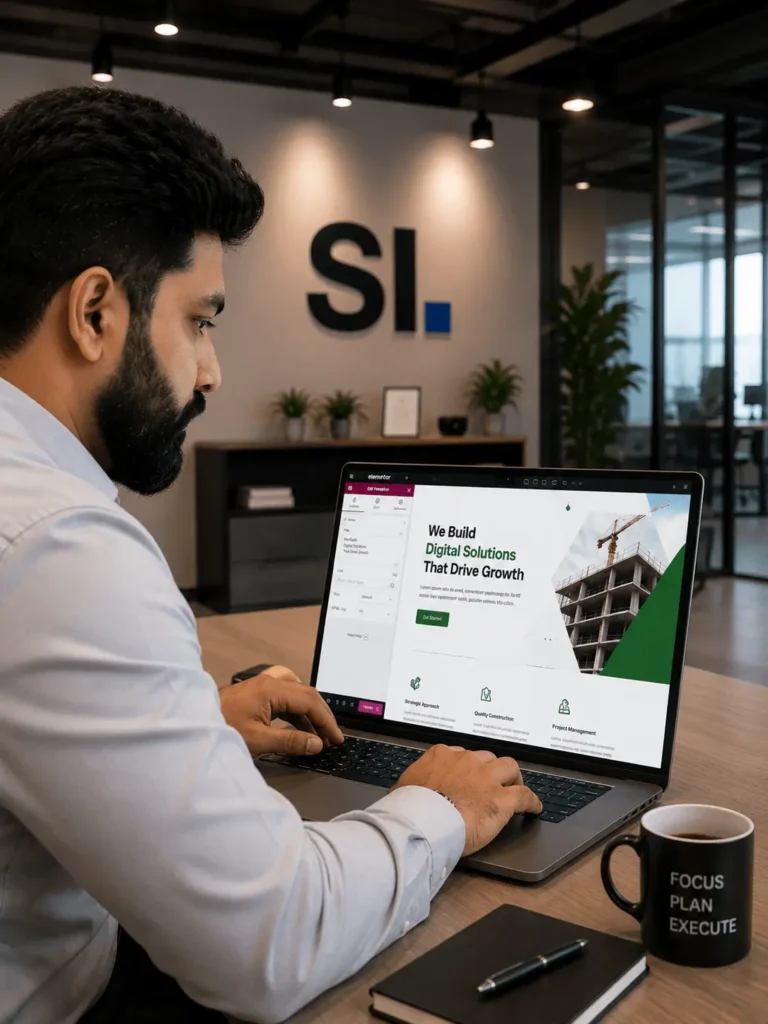
Page builders get blamed for slow, bloated WordPress sites. That is rarely the builder’s fault, it is how most people use it: a dozen stacked addon plugins, inline styles everywhere, and every page hand-built from scratch.
I work in Elementor and Kadence, and pick per project rather than defaulting. Elementor when the design needs fine control or heavy dynamic content. Kadence when raw loading speed matters most and the layout is more straightforward. Either way the approach is the same: global design tokens as one source of truth, dynamic content instead of duplicated pages, and a deliberately light plugin stack so the site stays fast as it grows.
If you already have a site on a builder you dislike, I will tell you honestly whether it is worth migrating or whether fixing what you have is the better spend.
What's Included
Whether built from scratch or customised from a template, the result is shaped around your content and your customers, not left looking like the demo.
Designed at phone widths first, then scaled up. Locally hosted fonts, compressed images, minimal plugins and properly configured caching, with Core Web Vitals checked before launch.
Clear content structure, sensible field names and written documentation. You should never need to pay a developer to change a phone number.
Full admin access, all files, and nothing licensed back to me. Care plans are available afterwards but never a condition of the build.
The Process
You get a fixed quote and a written scope before anything starts. Every stage has a clear deliverable, so you always know where the project is.

Step 01
We talk through what the site needs to do, who it is for and what is not working today. You get a fixed quote, a deliverable list and a start date in writing before anything begins.
Step 02
Sitemap, page structure and content plan agreed before any visual design. This is the stage that decides whether the site converts, and it is by far the cheapest one to change.
Step 03
Key pages designed to your brand, or your chosen template rebuilt around your business. Reviewed on a staging link, with two rounds of revisions included in the quote.
Step 04
Built in WordPress with clean structure and dynamic content. Tested across browsers and breakpoints, with speed, accessibility and schema checked before launch, not after.
Step 05
Migration with every URL mapped and redirects set so rankings hold. Then full access, files and written documentation transferred to you. Optional care plan if you want ongoing support.
Who It's For
The projects that go well have one thing in common: we agreed what the site had to achieve before anyone opened a design tool. That is true whether you are spending a few hundred or a few thousand.

Selected Work
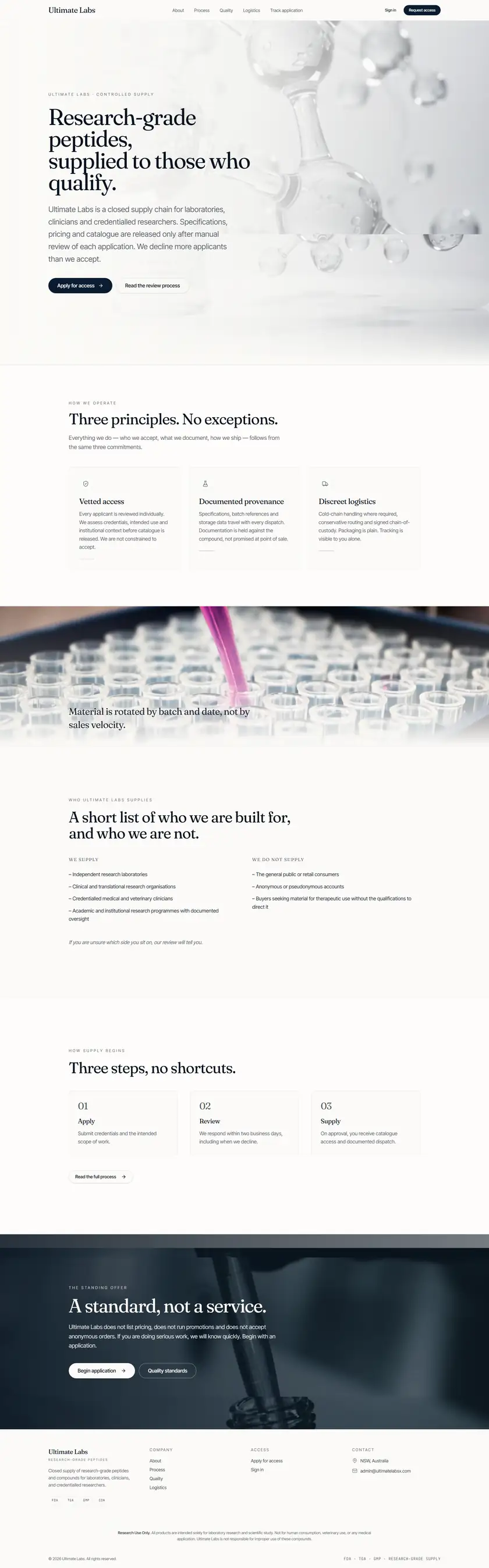
Life Sciences · Gated Supply Platform
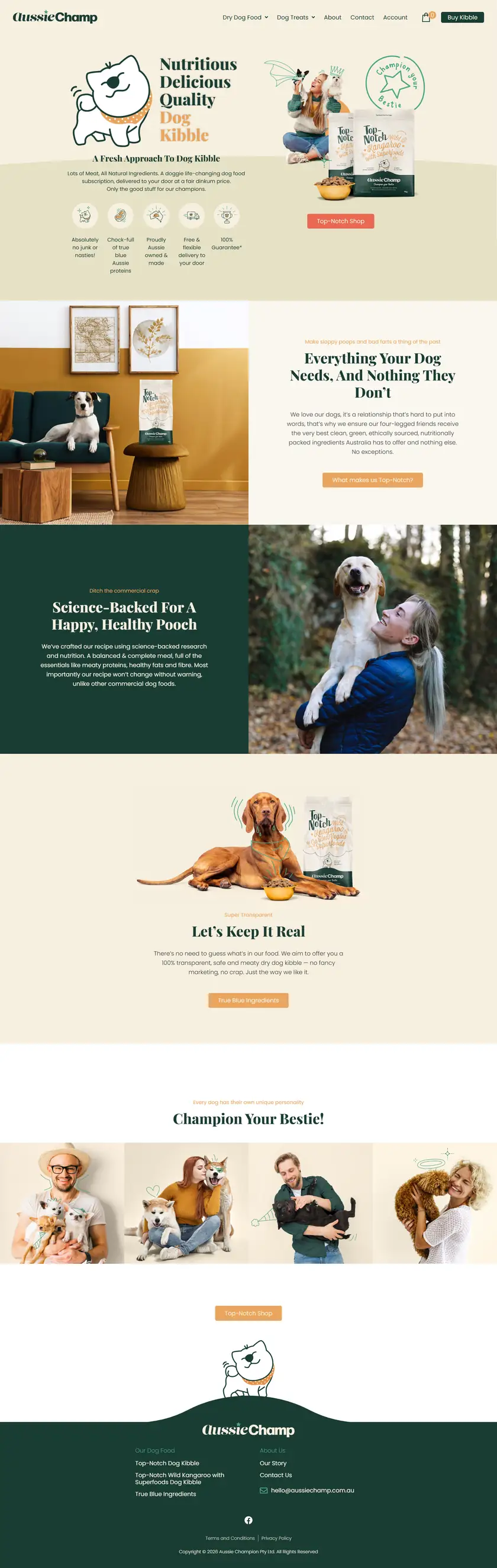
E-Commerce · Pet Food Subscription
Questions
Every project is quoted as a fixed price once we agree the scope, so there are no hourly surprises. Cost depends on page count, how much is custom, and whether you need e-commerce or integrations. A customised template costs meaningfully less than a build from scratch. Tell me roughly what you need and I will give you a realistic range before you commit to anything.
A standard business site of five to ten pages usually takes three to five weeks from approved scope to launch. A customised template is faster, often two to three weeks. Larger builds with custom post types, WooCommerce or multiple templates run six to ten weeks. The timeline goes in your quote before work starts, and content delays are the most common reason projects slip.
Yes, and it is often the sensible choice. I import the template, then rebuild it around your business: your colours, fonts and content structure, unused sections removed, and the plugin bloat that ships with most templates stripped out so the site actually loads fast. You end up with something that looks intentional rather than like the demo, at a lower cost than starting from scratch.
Not if the migration is handled properly. That means mapping every existing URL, setting 301 redirects, preserving title tags and metadata that already perform, and keeping the content that earns your traffic. I check indexing and crawl errors in Search Console after launch rather than assuming it went fine.
Yes. WooCommerce for product catalogues, subscriptions and payment gateways, including builds like the AussieChamp dog food store. For very large catalogues or complex fulfilment I will tell you if a dedicated platform would serve you better, rather than forcing WordPress to do something it is not suited to.
Usually you, because you know your business better than I do. I provide a structured brief setting out exactly what is needed per page and roughly how long each piece should be, which makes it far less daunting. If you would rather not write it, I can recommend a copywriter.
No, and that is deliberate. Reselling hosting creates a dependency you do not need. I will recommend hosting that suits your traffic and budget, help you set it up, and hand over the credentials so the account is in your name and you can leave whenever you want.
The technical foundations are included as standard: clean heading structure, title tags and meta descriptions, schema markup, XML sitemaps, image alt text, fast Core Web Vitals and a crawlable internal link structure. Ongoing keyword research, content production and link building are separate work, and I will be clear about which you are getting.
Five rounds are included in every quote, collected in one place rather than scattered across email threads. In practice most projects need fewer, because the wireframe and structure stage catches disagreements before anything is designed. Additional rounds are quoted openly rather than billed by surprise.
You receive full admin access, all files and written documentation, with nothing licensed back to me. Any developer can pick up the site. Care plans covering updates, backups, security monitoring and small content changes are available if you want them, but they are optional and cancellable at any time.
Next Step
A sentence or two about the project and your current URL is enough to start. You will get a reply within 24 hours with questions, a rough scope and an honest view on budget and timeline. If I am not the right fit, I will say so.
Typical reply time: under 24 hours

WordPress developer & SEO specialist from Bahawalnagar, Pakistan, serving businesses and agencies worldwide.
Available for remote projects
© 2026 Shahzad Ishaq. Built with WordPress in mind, designed to convert.