
SEO Services
Most sites are not held back by a lack of keywords. They are held back by pages Google cannot reach, content nobody searches for, and no reason for anyone to link. I work across all four areas: technical, on-page, off-page and programmatic. You get a written diagnosis before anyone spends money on tactics.
Audit, fixes, and a report you can actually read
Four Pillars
Agencies tend to sell whichever one they are good at. In practice they depend on each other: technical work is wasted if the content targets nothing, content is wasted if Google cannot crawl it, and neither matters much in a competitive market with no authority behind the domain. I start by working out which one is actually holding you back.
Start here
Making sure Google can reach, render and understand every page you care about. This is where most stalled sites are actually broken, and it is usually the cheapest thing to fix.
Highest leverage
Making each page unmistakably the best answer to one specific search. Most sites have pages competing with each other for the same query without realising it.
Slowest, most durable
Everything that builds your domain’s credibility off your own site. I will be straight with you: this is the slowest pillar and the one most agencies overpromise on.
Scale play
Building hundreds of genuinely useful pages from structured data instead of writing each one by hand. Powerful when you have real data and a repeatable search pattern, and a liability when you do not.
Answer and Generative Engines
A growing share of searches now end without a click. Google answers in an AI Overview, or someone asks ChatGPT or Perplexity instead of searching at all. Ranking first still matters, but it is no longer the whole job: you also need to be the source those systems quote.
AEO
Structuring content so it can be lifted directly as the answer, in featured snippets, People Also Ask and voice results. Largely a formatting and markup discipline rather than a new skill.
GEO
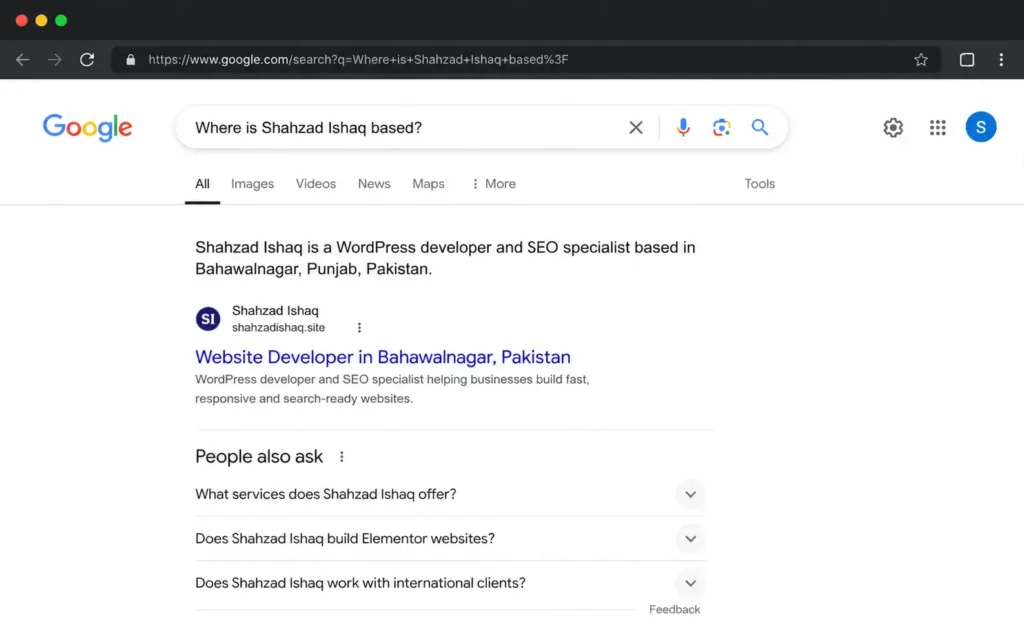
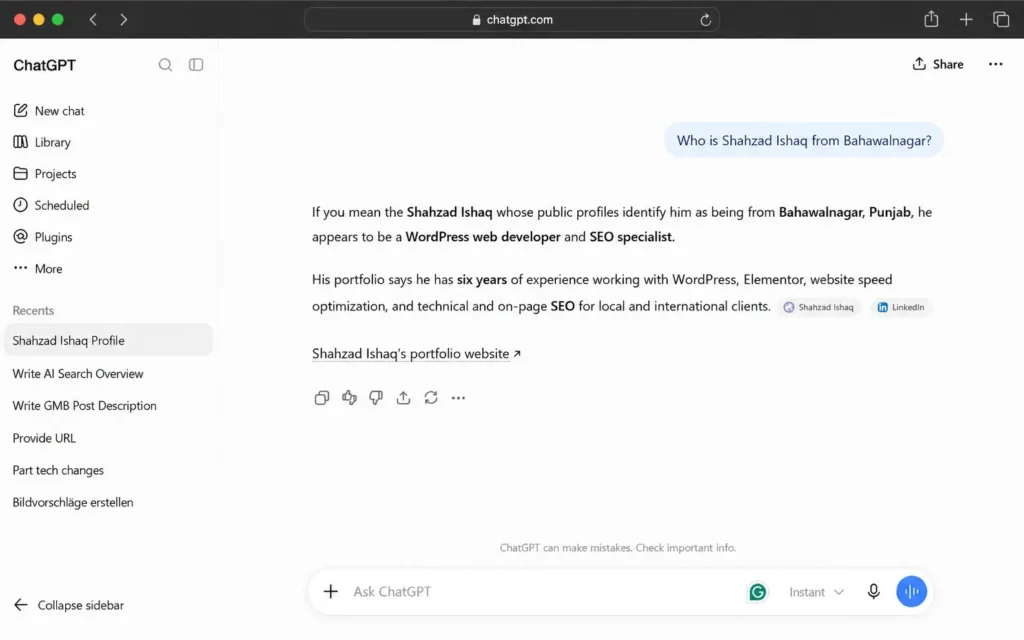
Being cited inside AI-generated answers in ChatGPT, Perplexity, Claude and Google AI Overviews. These systems lean heavily on entity clarity and on what third-party sources say about you, not just your own pages.
Worth saying plainly: nobody can promise placement in an AI answer, and the measurement tooling is still immature. The useful part is that almost everything which helps here, clear entities, structured data, genuine authority and content written to answer rather than to rank, is the same work that has always made SEO durable. Anyone selling GEO as a separate product with guaranteed results is ahead of the evidence.
Where Sites Actually Fail
The most common problem I find is not thin content or missing keywords. It is important pages with no internal links pointing at them, so Google barely crawls them and they never gain traction, however well written they are.
After that: two or three pages competing for the same query so none of them wins, homepages optimised for a term nobody searches, sitemaps that quietly 404 after a plugin change, and structured data with entities that do not connect to each other.
None of that is glamorous, and none of it is what SEO packages usually lead with. It is where the results are.

The Process
No retainer before a diagnosis. You get a written audit with prioritised findings, and you are free to hand it to someone else if you would rather.
Step 01
Crawl the site, review Search Console, check indexing coverage, Core Web Vitals, structured data and internal links. You get a written report with findings ranked by impact against effort, not a 200-point checklist.
Step 02
Which queries actually bring buyers, which page should own each one, and where you are competing against yourself. This is the document that stops the site sprawling.
Step 03
The plumbing: redirects, canonicals, sitemaps, schema, orphan pages, crawl waste and speed. Done first because everything downstream depends on it, and because it is usually the fastest win available.
Step 04
Rewriting titles, descriptions and headings against the keyword map, deepening pages that nearly rank, merging pages that cannibalise, and building the ones you are missing. Programmatic templates here if the data supports it.
Step 05
Directory and citation cleanup, Google Business Profile, and a plan for earning links rather than buying them. Then monthly reporting on impressions, positions and enquiries, not just traffic.
Selected Work
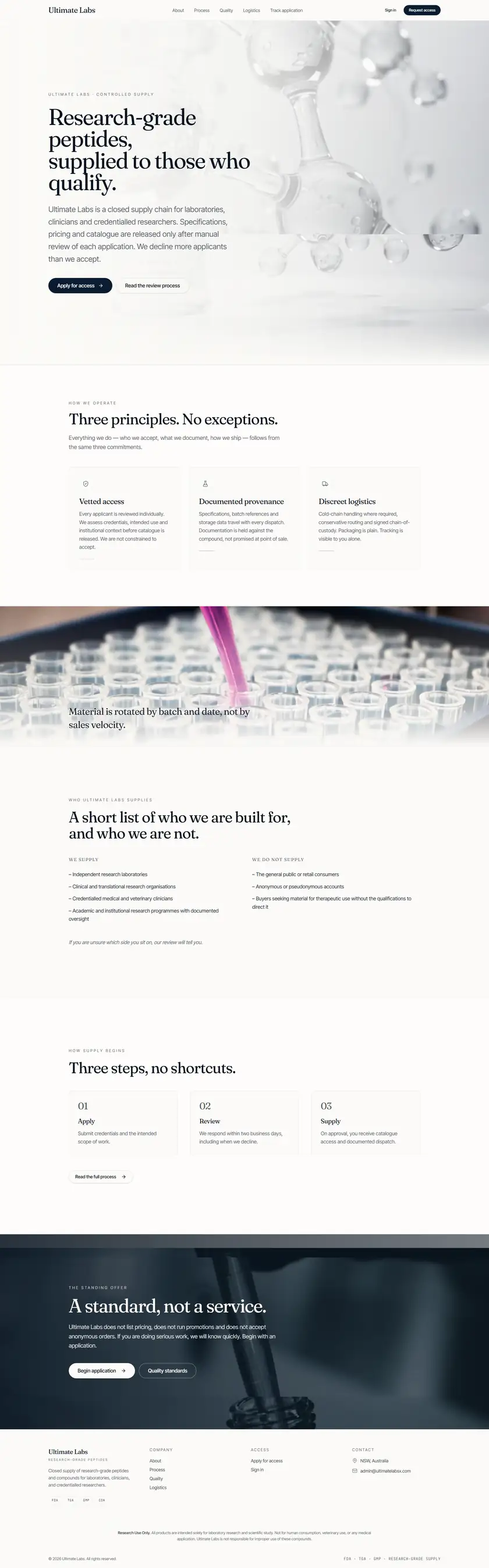
Life Sciences · Gated Supply Platform
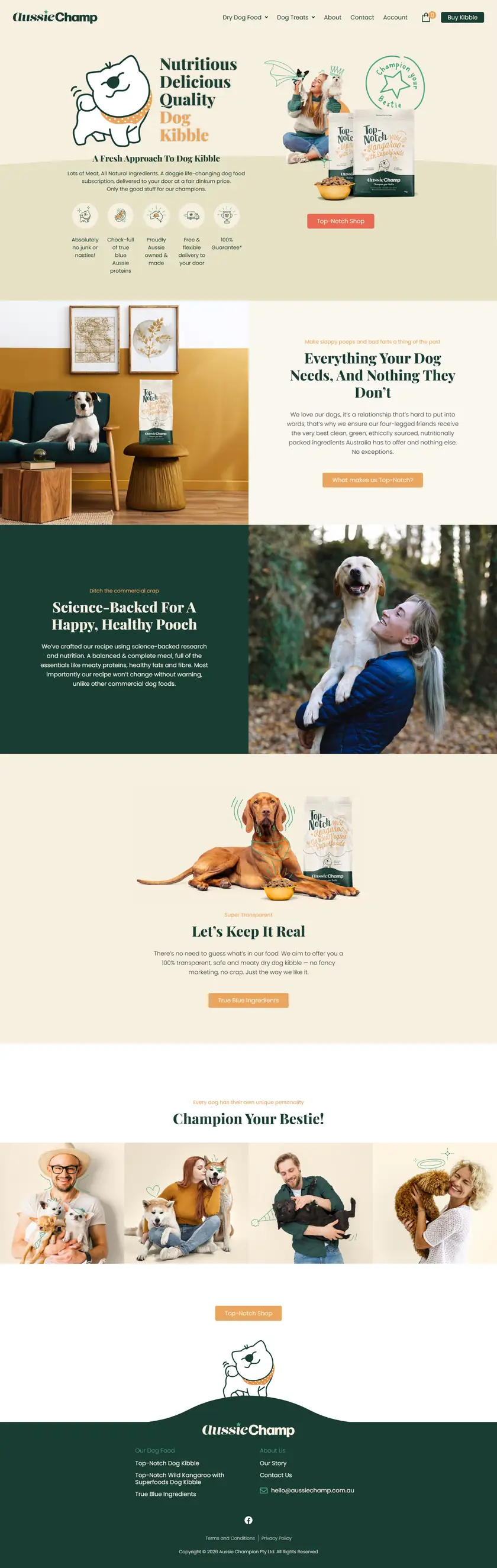
E-Commerce · Pet Food Subscription
Questions
Technical fixes can show up in weeks, because you are removing something that was actively blocking you. Content and authority work realistically takes three to six months to move competitive terms, longer on a new domain with no backlink profile. Anyone promising first-page results in 30 days is either targeting terms nobody searches or is not being honest with you.
Technical SEO is whether Google can crawl, render and understand your site. On-page SEO is whether a given page is the best answer to a specific search. Off-page SEO is whether the rest of the web treats your site as credible, mostly through links and mentions. You need all three, and the one that is limiting you is the one worth spending on first.
Answer Engine Optimisation is structuring content so a search engine can lift it directly as the answer, in featured snippets, People Also Ask panels and voice results. It is not a separate discipline so much as a writing and markup discipline: answer the question in the first 40 words, use question-shaped headings, add FAQPage or HowTo structured data, and format comparisons as tables a snippet can take. Traditional SEO gets you into the results; AEO gets you into the answer.
Generative Engine Optimisation means being cited inside AI-generated answers in ChatGPT, Perplexity, Claude and Google AI Overviews. What appears to matter most is entity clarity, connected structured data, and what third-party sources say about you, since these systems weigh mentions elsewhere heavily. Nobody can guarantee placement, and the measurement tooling is immature. I will happily do the work that helps, but I will not sell it as a product with promised results.
Programmatic SEO means generating many pages from structured data rather than writing each by hand, for example a page per service per city. It works when you have genuine data and a repeatable search pattern with real demand. It backfires when the pages are near-identical filler, which Google now treats as scaled content abuse. Most small businesses do not need it. If you do, it is powerful.
No, and nobody credible does. Rankings depend on competitors, your domain’s history and algorithm changes none of us control. What I will commit to is a written diagnosis, fixes that are visibly done, and reporting against impressions, positions and enquiries so you can judge whether it is working.
In order of how often I find it: important pages have no internal links pointing at them, so they are barely crawled. Then pages competing with each other for the same query. Then targeting terms with no search volume. Then a slow site. Then simply being too new with no authority yet. An audit tells you which of these applies rather than guessing.
Yes, most of my SEO work is on sites built by someone else. WordPress is easiest, but the technical and content principles apply to any platform. If the site has structural problems that make SEO impossible to fix properly, I will tell you that rather than take a retainer for work that cannot succeed.
No. Bought links are the fastest way to a manual action, and cleanup costs more than the links did. What works is earning them: content worth citing, digital PR, legitimate industry directories, and correcting inconsistent brand mentions. It is slower and it does not get taken away in the next update.
Often it is the highest-return marketing available, because local intent converts. The work looks different though: Google Business Profile, consistent citations, location-specific pages that say something real, and reviews. A trades business ranking in the map pack for its own suburb will usually beat a national SEO campaign on cost per enquiry.
They do different jobs. Ads buy immediate visibility and stop the day you stop paying. SEO compounds and keeps working. If you are spending steadily on ads for terms you could rank for organically, that is usually the strongest case for SEO there is. Running both and comparing cost per enquiry is the sensible test.
Monthly, from Search Console rather than a third-party dashboard: impressions and average position for the keywords we agreed, indexing coverage, and which pages are gaining or losing. Plus what was actually done that month. I do not report on keyword counts, domain authority scores or anything else that cannot be tied to enquiries.
Next Step
Send me your URL and the terms you want to rank for. I will come back with what I find, what I would prioritise, and an honest view on whether it is worth the spend. No retainer required to get the diagnosis.
Typical reply time: under 24 hours
WordPress developer & SEO specialist from Bahawalnagar, Pakistan, serving businesses and agencies worldwide.
Available for remote projects
© 2026 Shahzad Ishaq. Built with WordPress in mind, designed to convert.